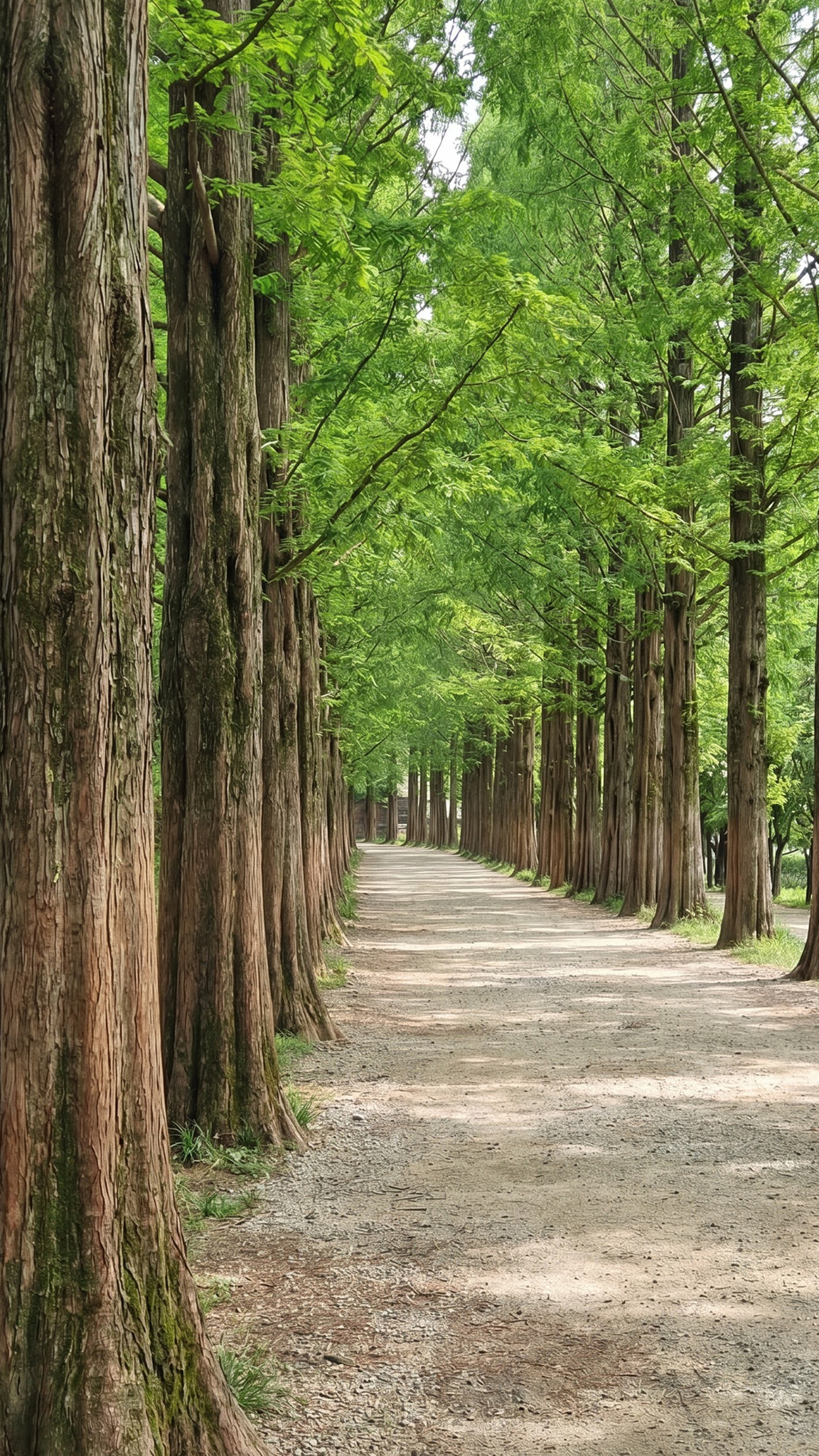
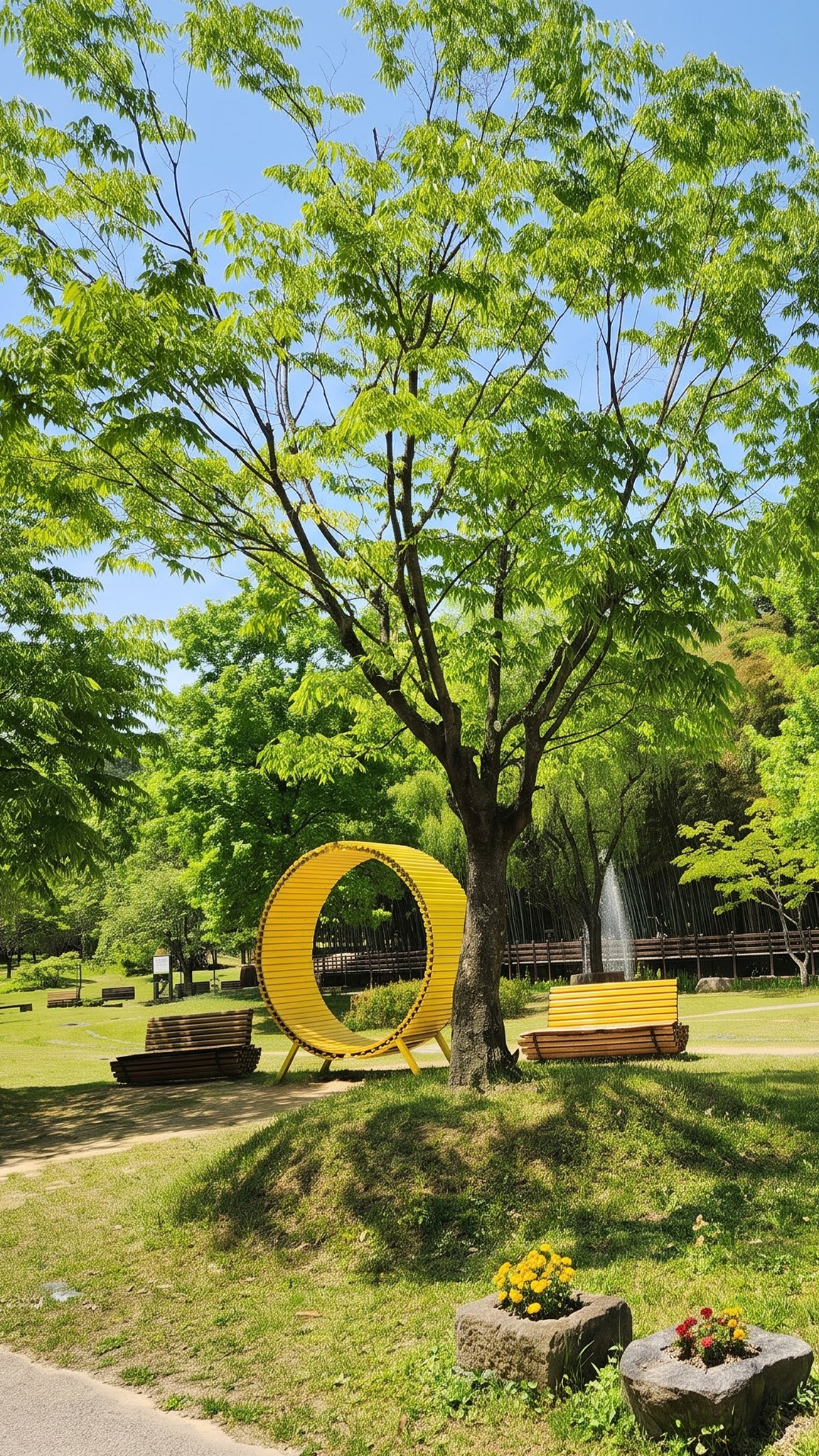
Juknokwon Bamboo Garden
- Location
- Damyang
- Travel theme
- Nature & Rest
- Time needed
- 2 – 4 hours
- Admission
- Small entrance fee
A cool bamboo grove crossed by soft earthen paths, one of Damyang's most loved slow walks.
Eight signposted paths wind through 310,000 square metres of bamboo. The air stays several degrees cooler under the canopy and the sound is unmistakable — stalks knocking together in the wind. A small hanok village and tea pavilion sit at the far end of the grove.
Wetlands, bamboo forests, tree-lined roads and green tea fields make Jeollanam-do an easy place to slow down.
- 01Eight bamboo walking paths
- 02Cool air even in midsummer
- 03Hanok village and tea pavilion
Take your time here
The best visits are unhurried. Notice how the landscape, everyday life and local history meet here, then leave room for the details that are easy to miss at first glance.
Eight signposted paths wind through 310,000 square metres of bamboo. The air stays several degrees cooler under the canopy and the sound is unmistakable — stalks knocking together in the wind. A small hanok village and tea pavilion sit at the far end of the grove.
A simple way through
- 01Stop
Begin at the main entrance and take a moment to read the landscape before moving on.
- 02Stop
Eight bamboo walking paths
- 03Stop
Cool air even in midsummer
- 04Stop
Hanok village and tea pavilion
- 05Stop
Finish slowly, retracing the quieter path and leaving time for one last view.
- Pace
- Unhurried, with pauses
- Terrain
- Long outdoor paths with changing surfaces
- Best light
- Early morning or after light rain
- Local note
- Carry out everything and keep voices low
Small things that make the visit better
- 01Arrive early: paths are quietest before 10:00 and the air is still cool.
- 02Paths are long and mostly unshaded in parts — carry water.
- 03Insect repellent helps from June to September.
- 04Rain makes the green deeper — an umbrella is better than cancelling.
Pair it with a nearby tea house or a farm-table lunch in the same district.
Before you set out
Opening hours and admission can change seasonally. Check locally before a special trip.
- How long should I allow?
- Allow 2 – 4 hours.
- When is the best time to visit?
- Late spring to early autumn, at its greenest
- Is there an entrance fee?
- Small entrance fee
- How do I get there?
- A 15-minute walk from Damyang Bus Terminal, next to the Gwanbangjerim riverside forest.
Also in this city
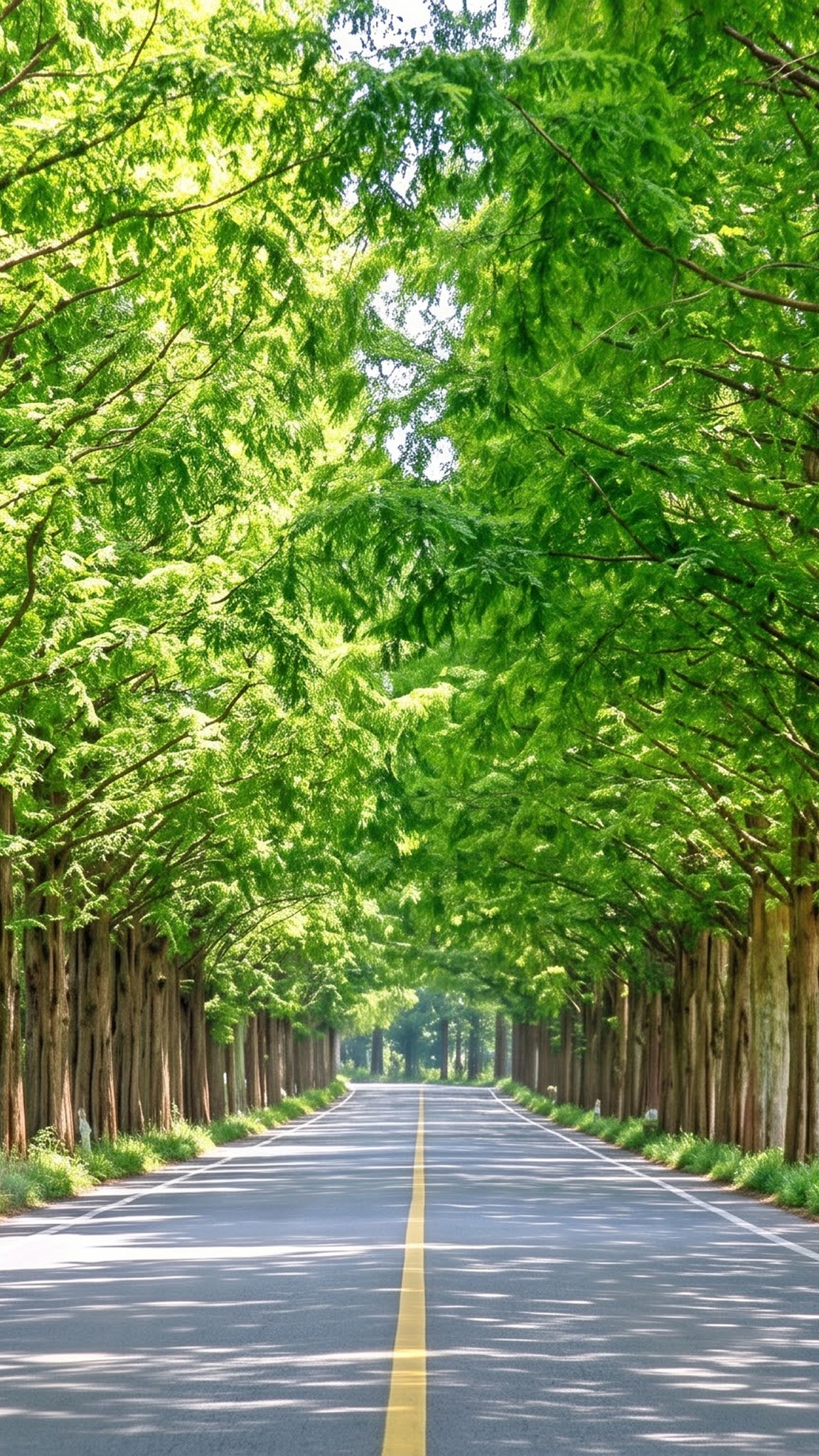
Damyang Metasequoia Road
A long avenue lined with tall dawn redwoods — a landscape that changes with every season.
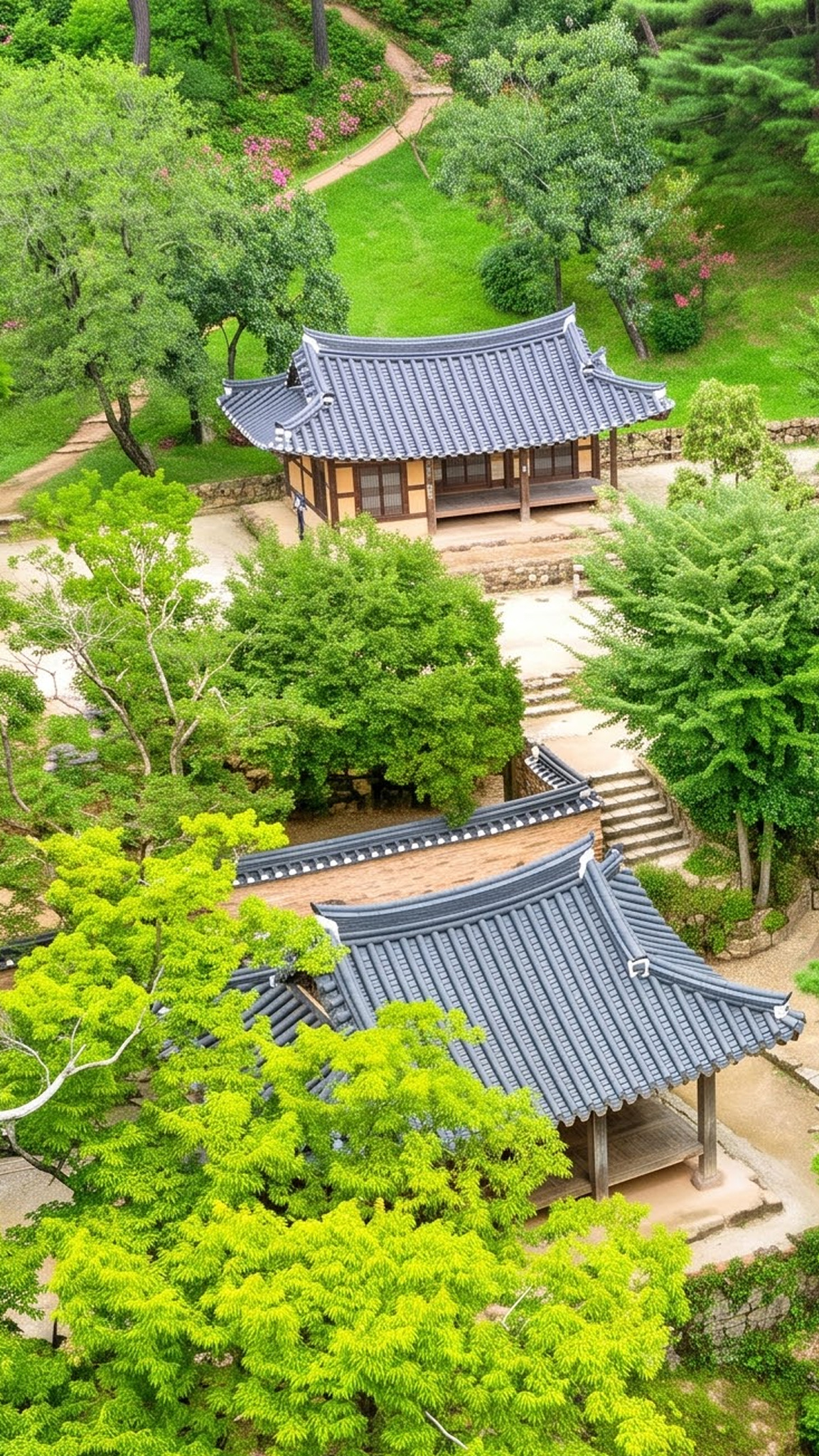
Soswaewon Garden
A classical scholar's garden shaped around a small stream — a masterwork of Korean garden design.
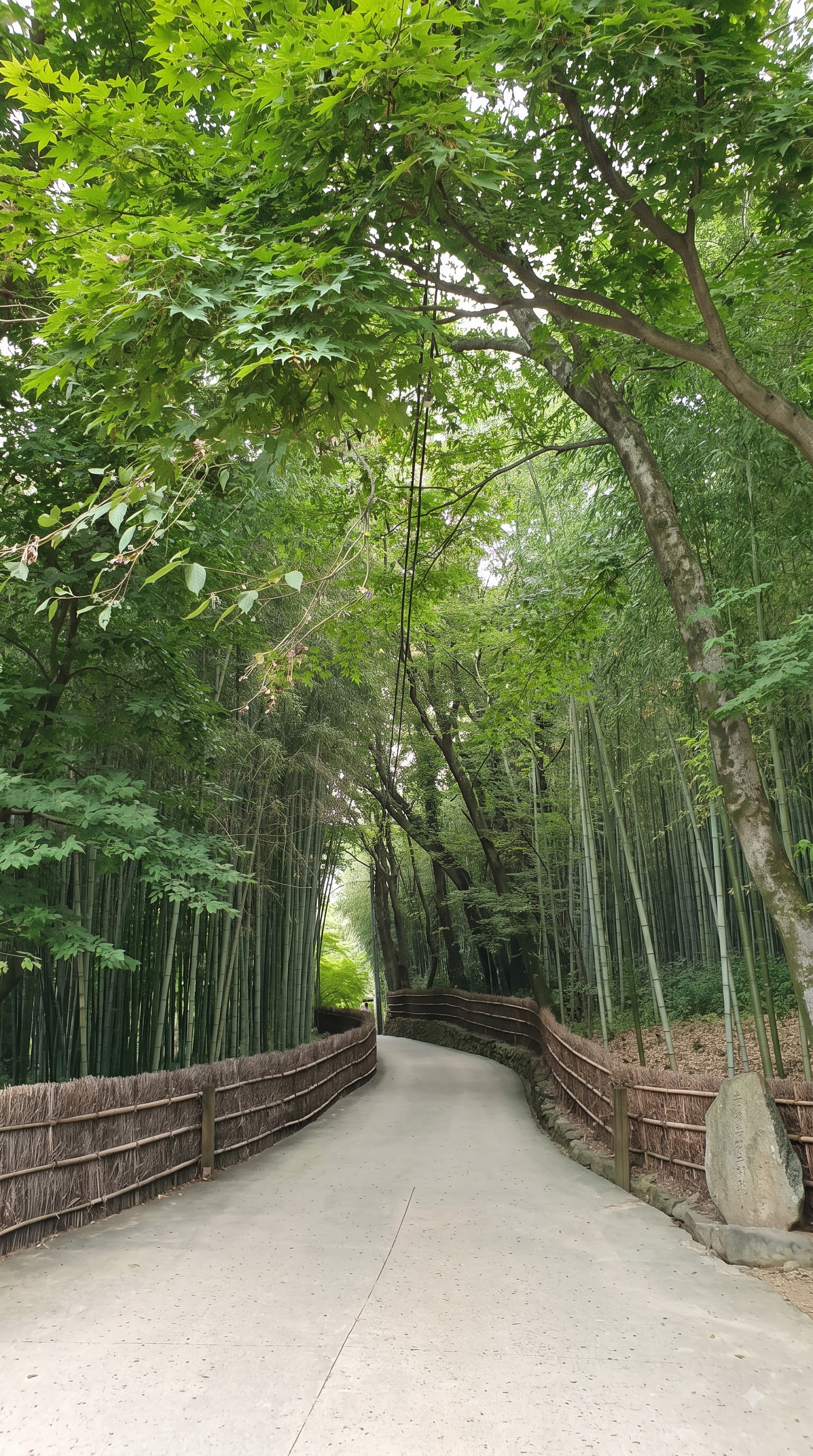
Damyang Garden Pavilions
Tile-roofed pavilions and stone walls tucked into the gardens and hills around Damyang.
Other places nearby
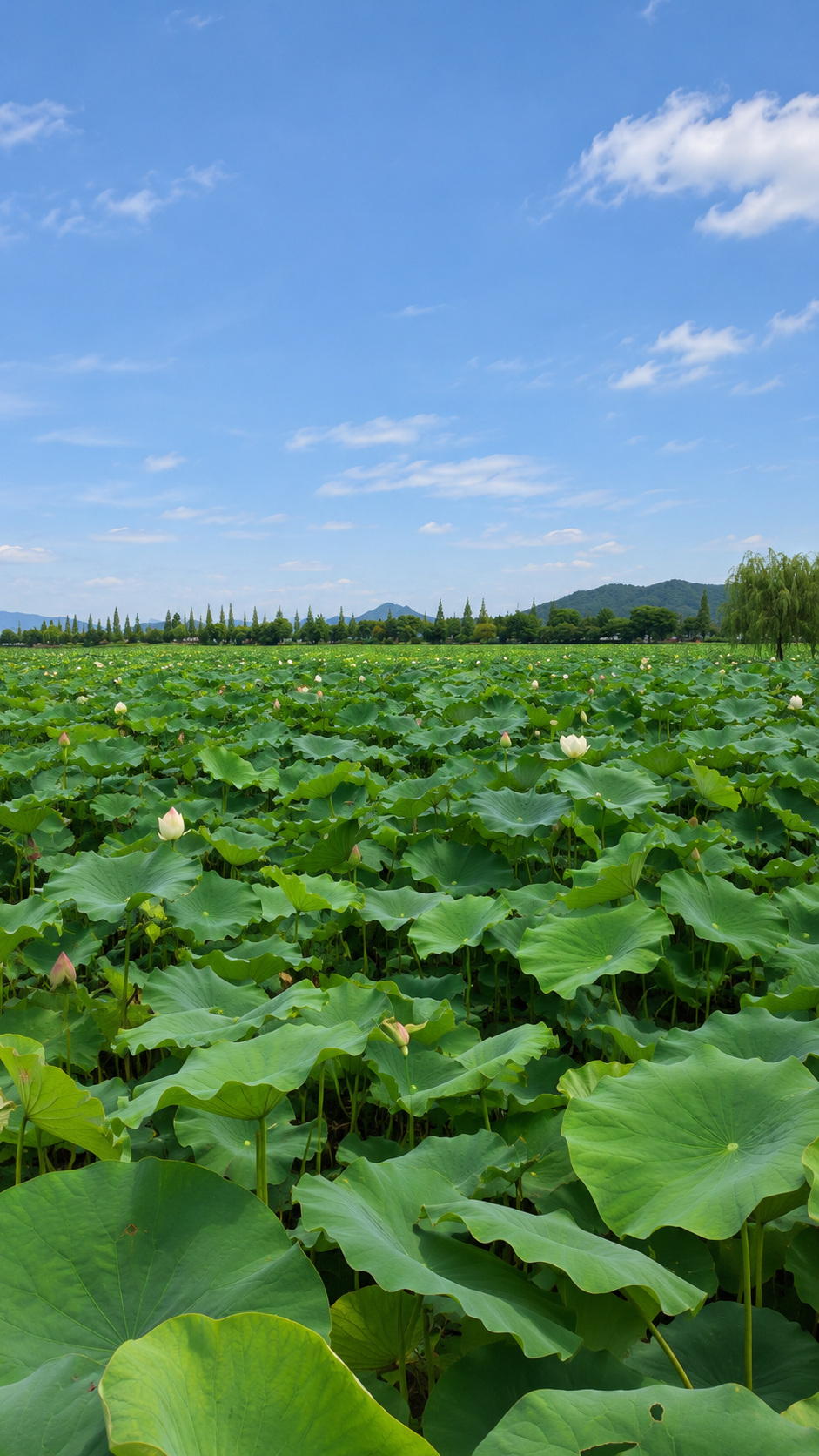 Muan
Hoesan White Lotus Pond
White lotus flowers, broad green leaves and wooden paths across a peaceful pond in Muan.
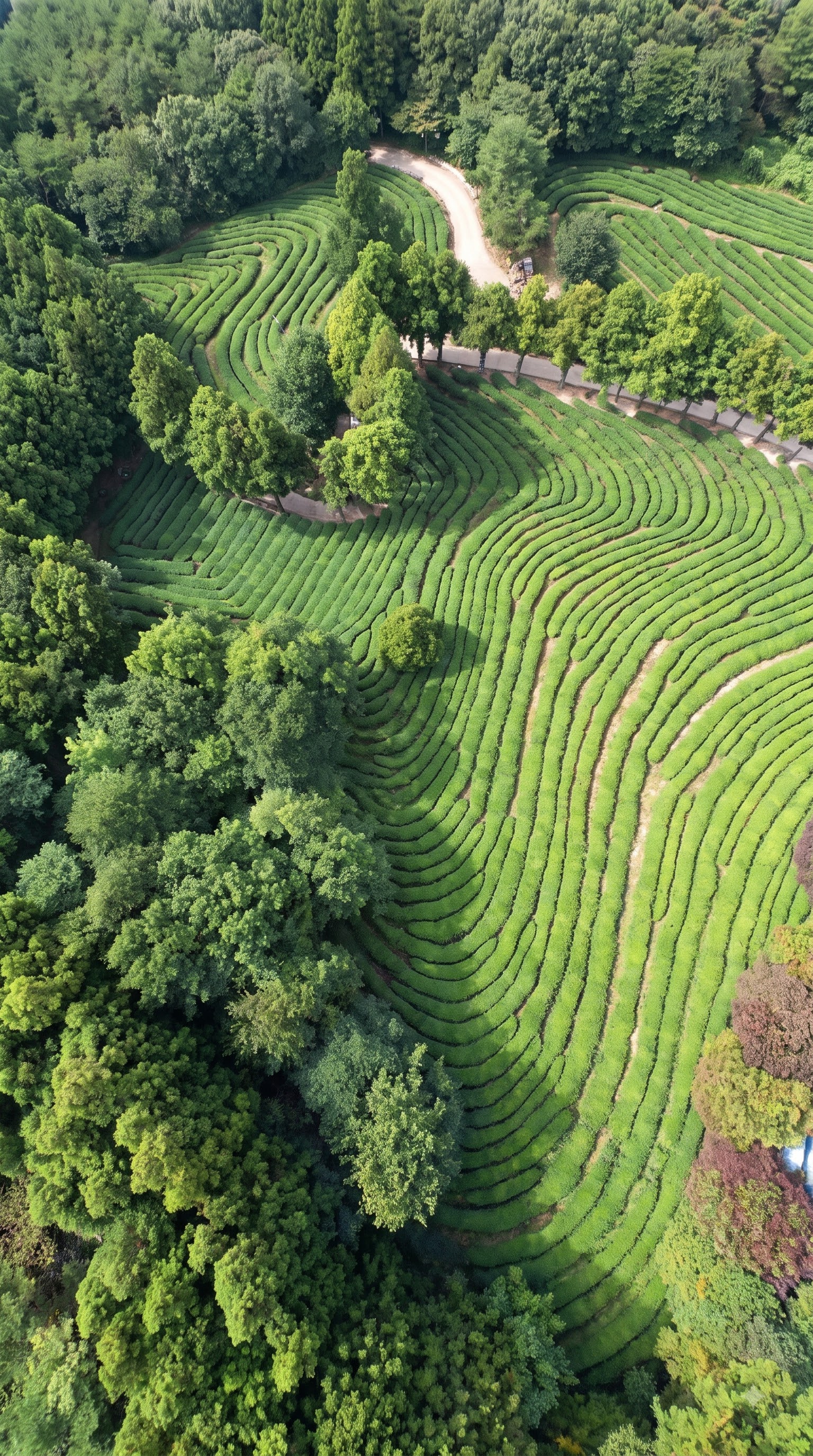 Boseong
Daehan Dawon Tea Fields
Terraced rows of tea plants climbing the hillsides — the most photographed green landscape in the south.
- Damyang
Damyang Metasequoia Road
A long avenue lined with tall dawn redwoods — a landscape that changes with every season.
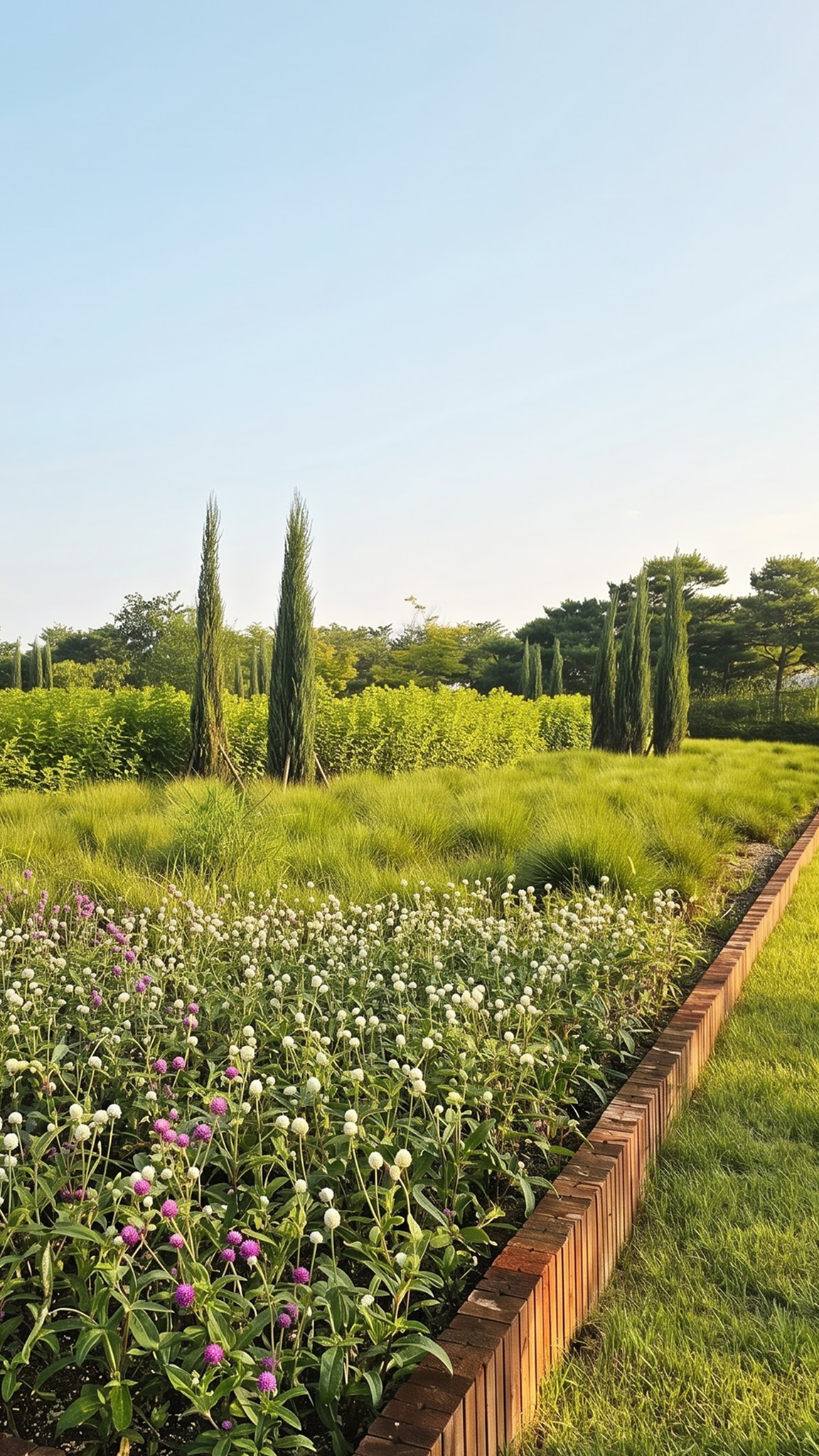 Suncheon
man Bay
A vast reed wetland crossed by boardwalks, changing colour with the seasons and the tide.
 Naju
Bitgaram Lake Park
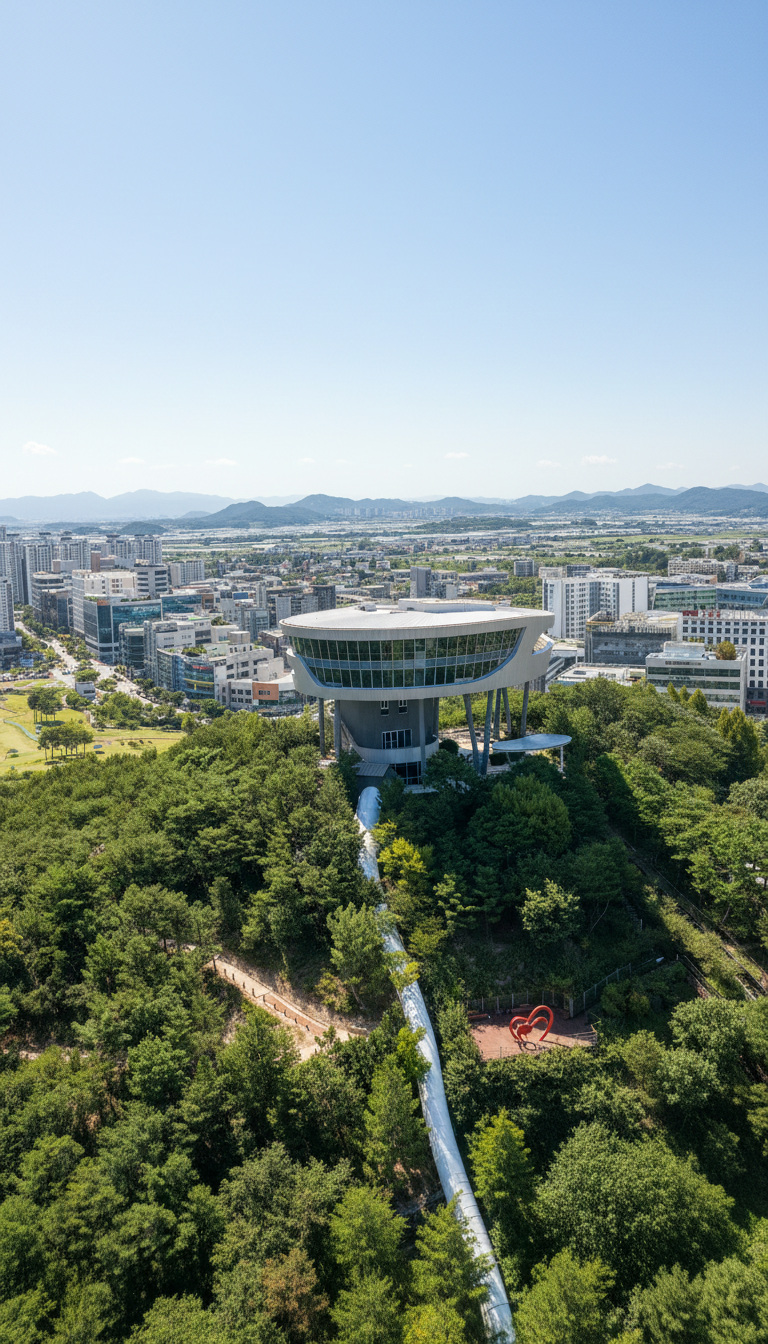
Lakeside paths, a wooded hill and an observatory overlooking Naju's modern skyline — a gentle pause in the city.
 Gangjin
 Bay Ecological Park
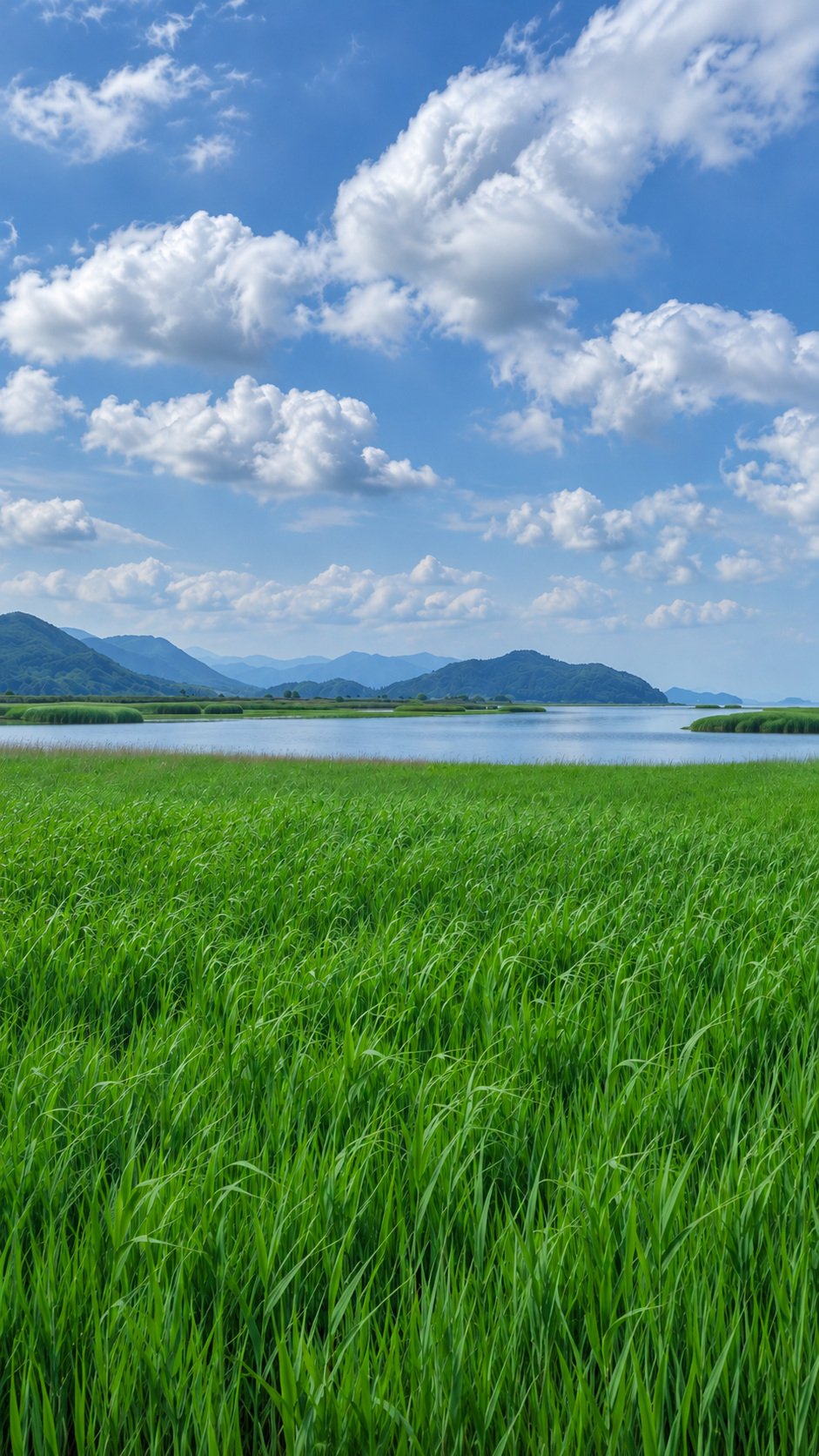
Walk among the reeds of Gangjin Bay, where narrow waterways wind through the wetland beneath low mountains.