Naju Dorae Hanok Village
- Location
- Naju
- Travel theme
- Culture & Heritage
- Time needed
- 1.5 – 3 hours
- Admission
- Village lanes: free
Quiet lanes, stone walls and tiled roofs in a traditional village where generations of the Pungsan Hong family have lived.
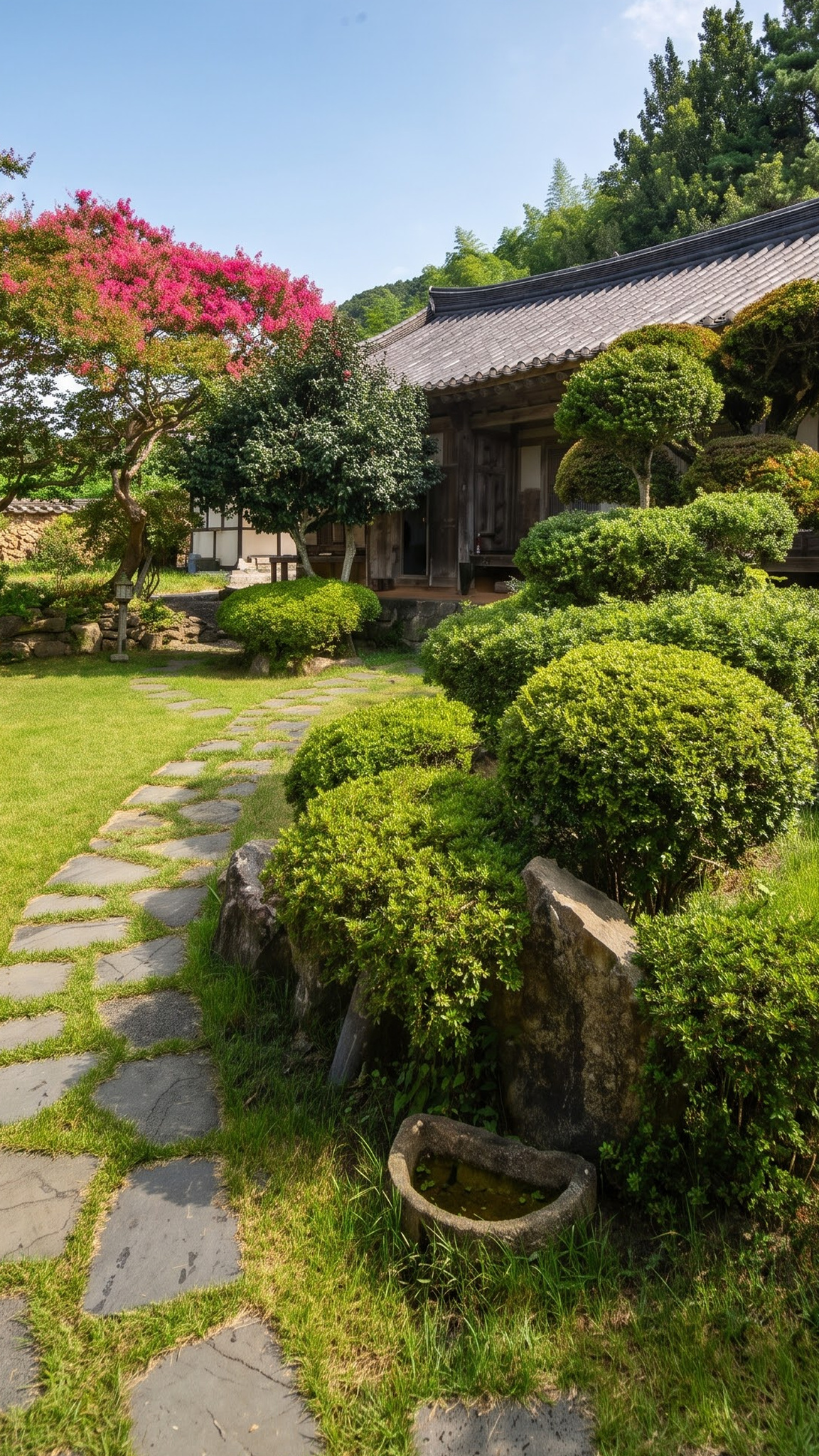
In Pungsan-ri, Naju, Dorae is a village of hanok houses, stone walls and old pavilions. The Pungsan Hong family has lived here for generations, and the lanes still connect homes rather than museum exhibits. Walk slowly, notice the tiled eaves and garden walls, and respect the privacy of residents. Historic pavilions such as Yangbyeokjeong and Yeonghojeong add another layer to the village's story.
Walk through living fortress villages, historic port streets and quiet traditional gardens where the region's stories remain visible.
- 01Hanok roofs and stone-walled lanes
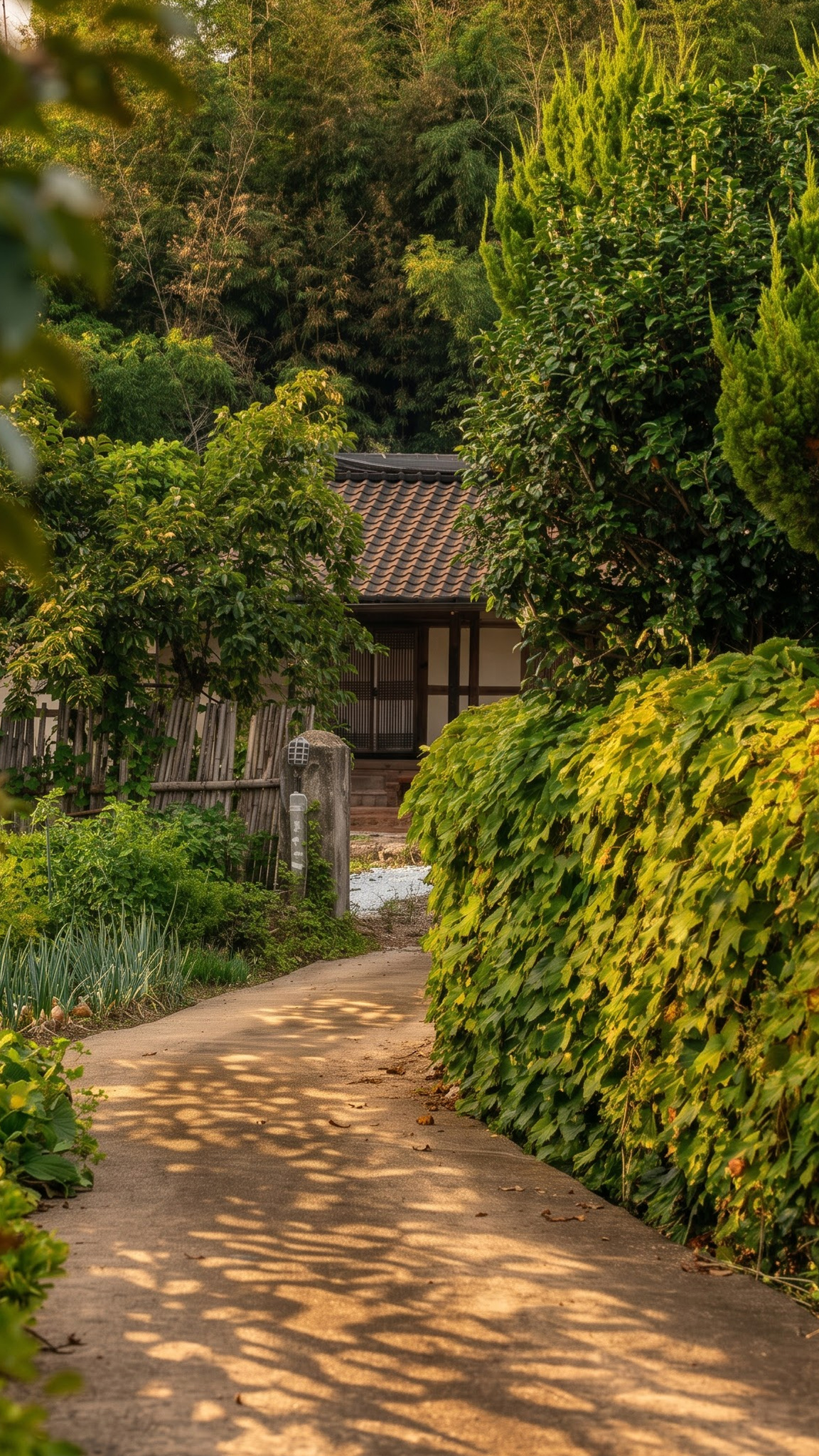
- 02Historic pavilions and traditional homes
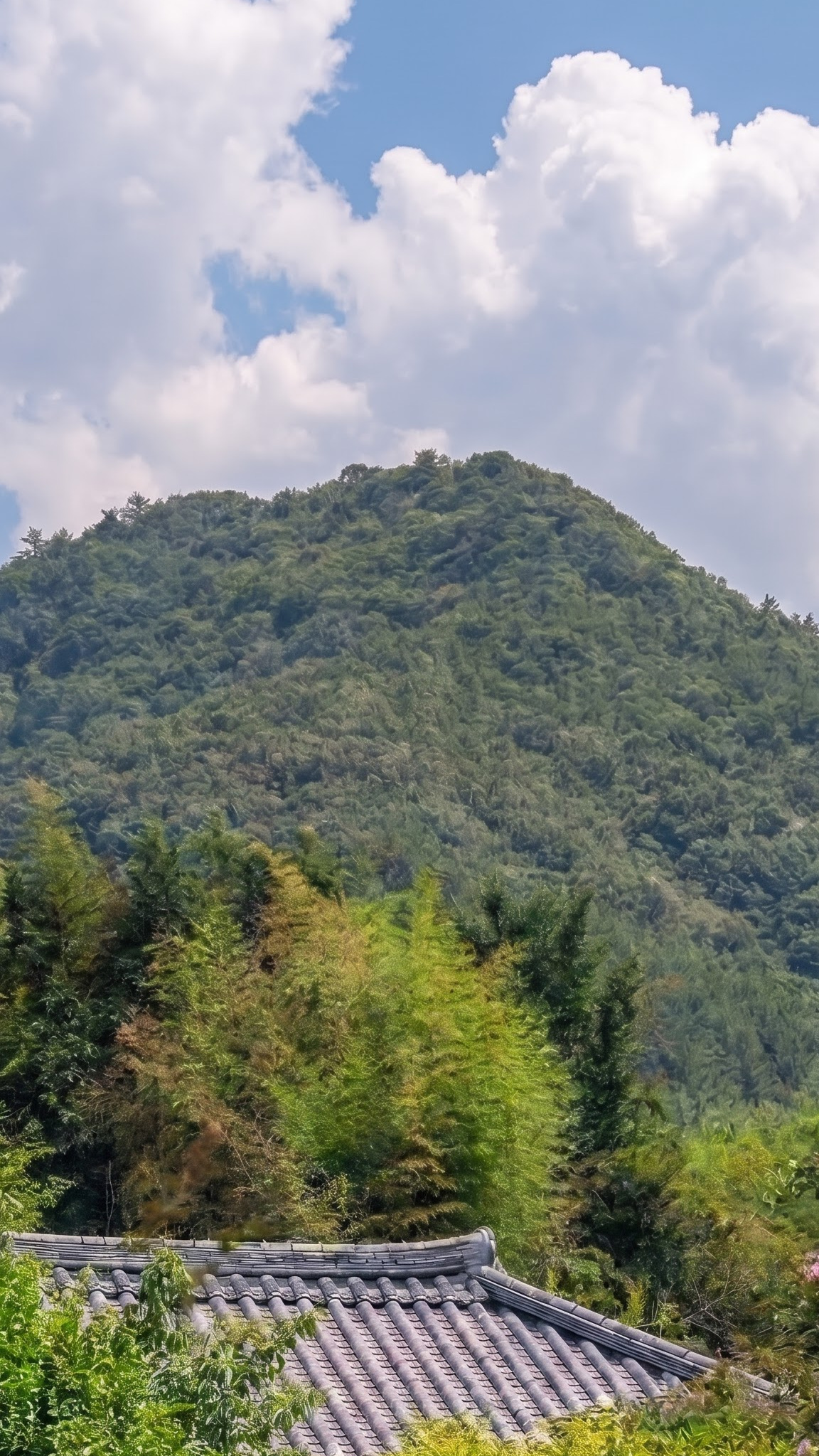
- 03A quiet walk through a living village
Take your time here
The best visits are unhurried. Notice how the landscape, everyday life and local history meet here, then leave room for the details that are easy to miss at first glance.
In Pungsan-ri, Naju, Dorae is a village of hanok houses, stone walls and old pavilions. The Pungsan Hong family has lived here for generations, and the lanes still connect homes rather than museum exhibits. Walk slowly, notice the tiled eaves and garden walls, and respect the privacy of residents. Historic pavilions such as Yangbyeokjeong and Yeonghojeong add another layer to the village's story.
A simple way through
- 01Stop
Begin at the main entrance and take a moment to read the landscape before moving on.
- 02Stop
Hanok roofs and stone-walled lanes
- 03Stop
Historic pavilions and traditional homes
- 04Stop
A quiet walk through a living village
- 05Stop
Finish slowly, retracing the quieter path and leaving time for one last view.
- Pace
- Unhurried, with pauses
- Terrain
- Stone lanes, thresholds and timber floors
- Best light
- Soft light in late afternoon
- Local note
- Respect residents, worshippers and closed doors
Small things that make the visit better
- 01Some buildings are still lived in or used for rites — keep voices low.
- 02Shoes come off before stepping onto wooden floors.
- 03Signage is mostly Korean; a translation app is useful.
- 04Late afternoon light suits the tiled roofs and courtyards best.
Pair it with a nearby museum or a pavilion stop to round out the afternoon.
Before you set out
Opening hours and admission can change seasonally. Check locally before a special trip.
- How long should I allow?
- Allow 1.5 – 3 hours.
- When is the best time to visit?
- All year — each season looks different
- Is there an entrance fee?
- Village lanes: free
- How do I get there?
- Search for Dorae Hanok Village (도래한옥마을) in your map app. Check current bus routes and return services before travelling.
Also in this city
Other places nearby
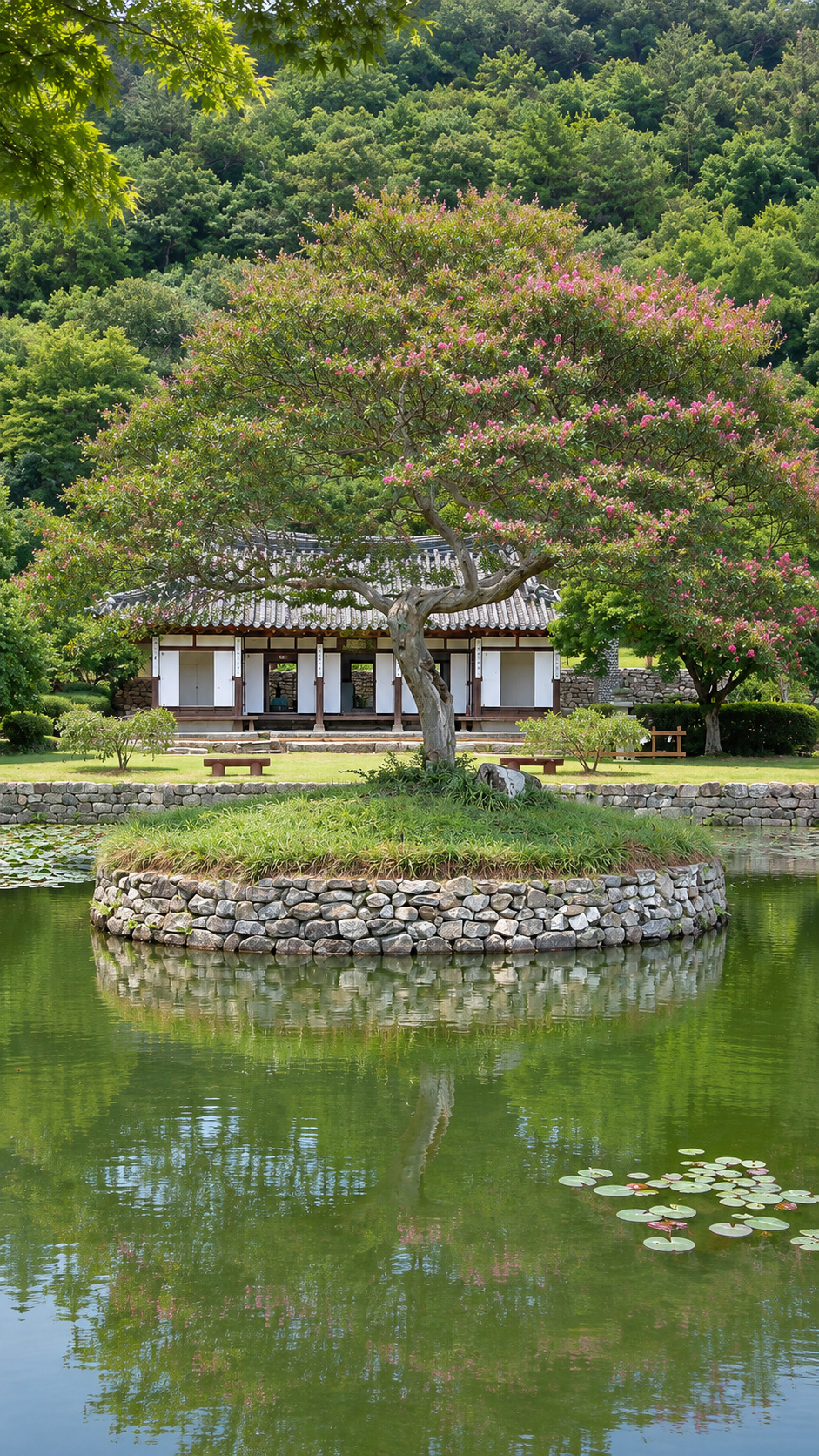 Jindo
Ullimsanbang House
A painter's retreat beneath wooded hills, where tiled roofs, garden paths and a quiet pond frame Jindo's artistic heritage.
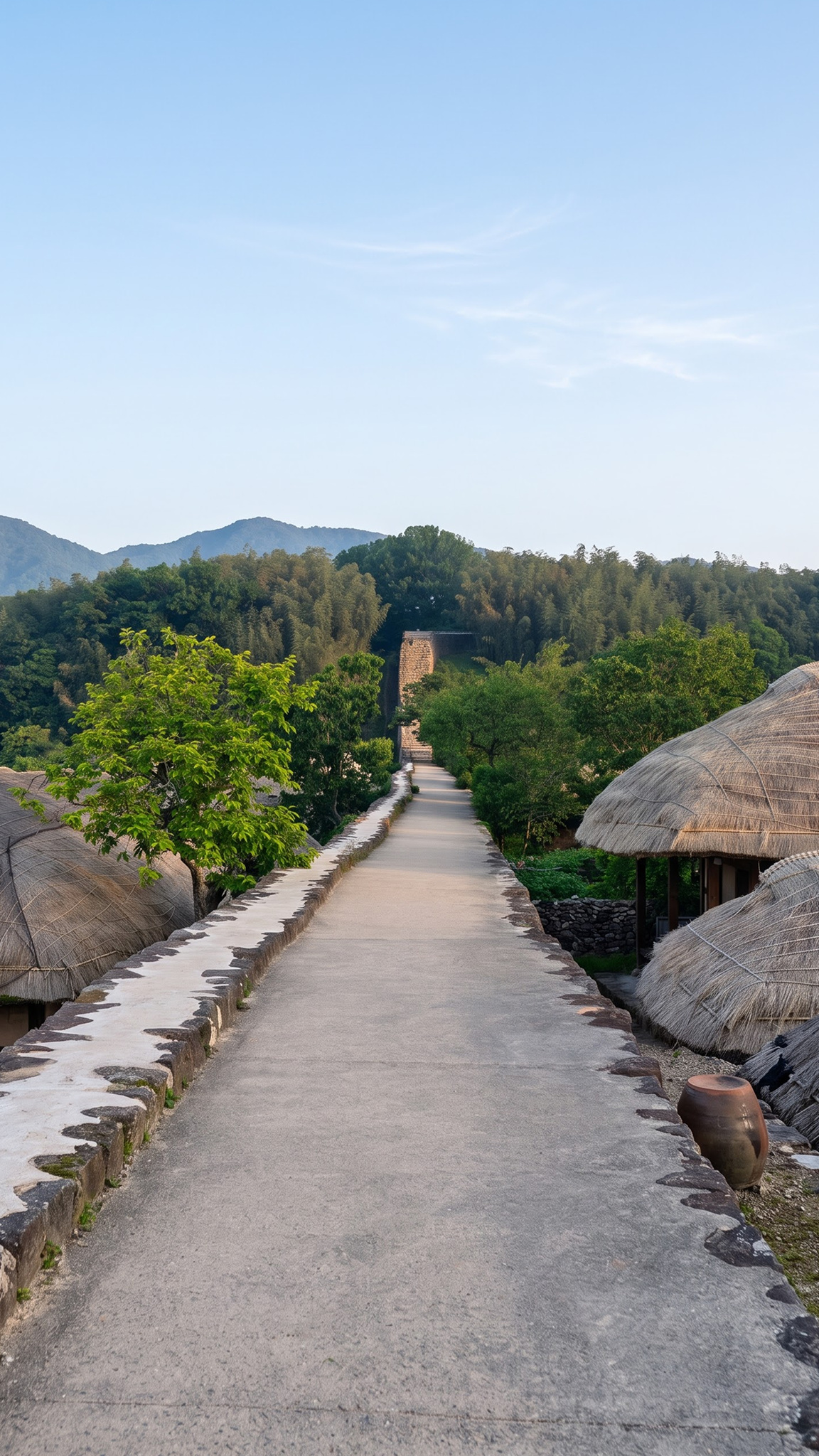 Suncheon
Naganeupseong Folk Village
A walled village where families still live inside historic thatched-roof houses.
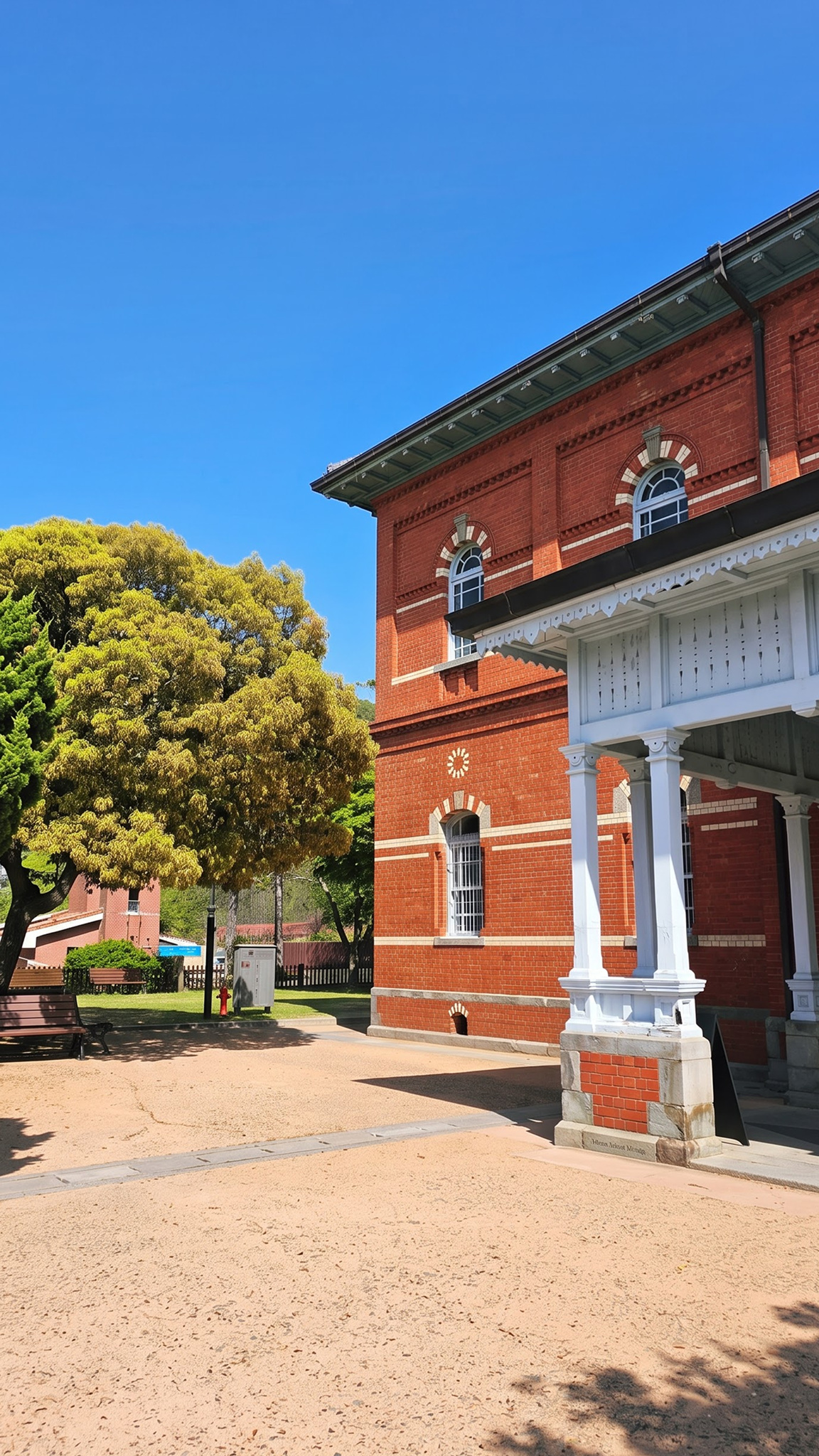 Mokpo
Mokpo Modern History Cultural Space
Restored early-modern port buildings that trace how the city grew around its harbour.
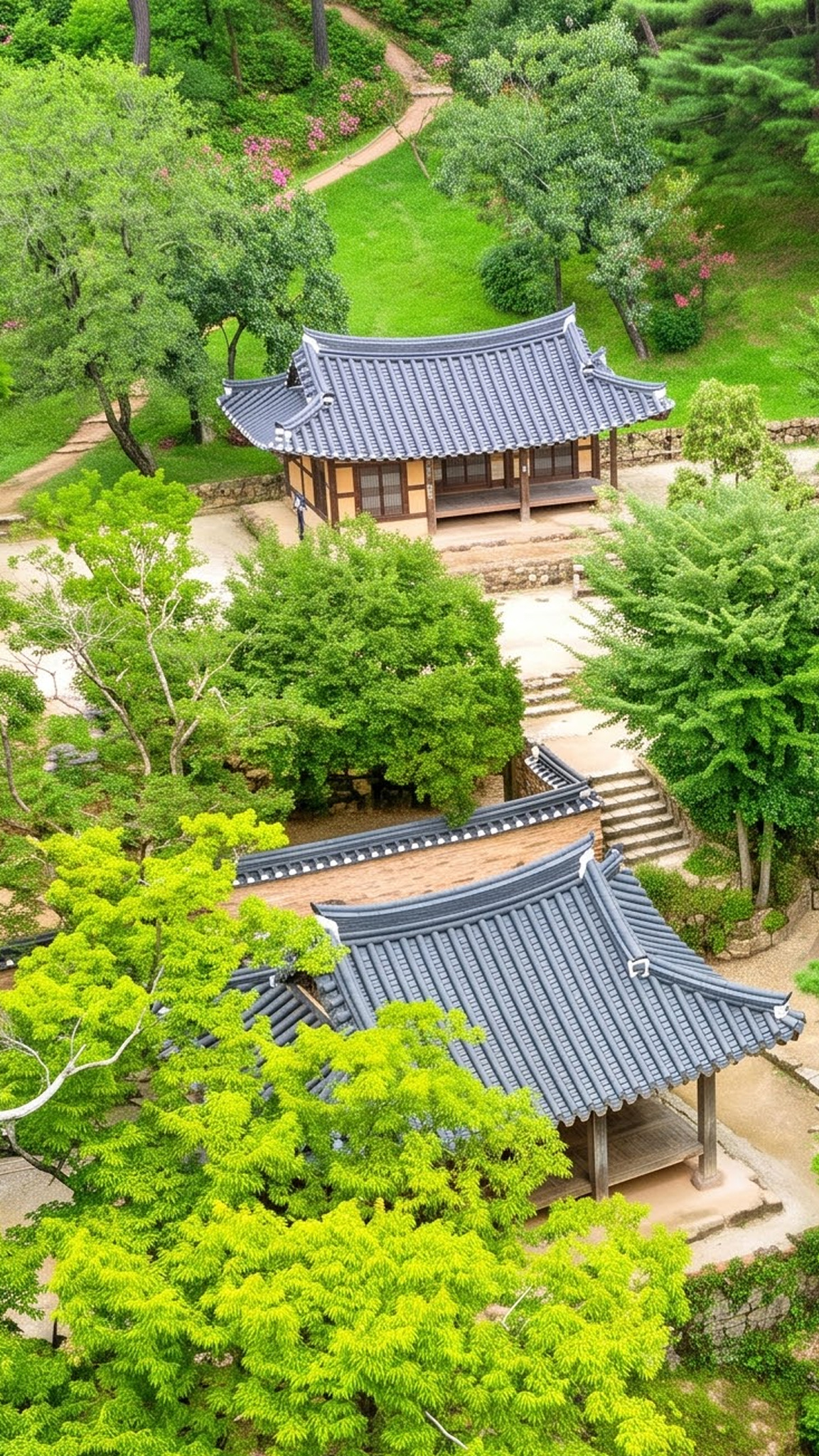 Damyang
Soswaewon Garden
A classical scholar's garden shaped around a small stream — a masterwork of Korean garden design.
 Damyang
 Garden Pavilions
Tile-roofed pavilions and stone walls tucked into the gardens and hills around Damyang.
 Jindo
Sebang Sunset
Island silhouettes, golden reflections and an open horizon on Jindo's western coast. The original viewing area is temporarily closed for construction.